Home staging refers to the process of preparing a home for sale by enhancing its visual appeal and creating an inviting atmosphere for potential buyers. It involves making strategic changes to the home’s interior and sometimes exterior, with the goal of showcasing its best features and helping buyers envision themselves living in the space. In order to do so, creating functionality in a room is key as it directly impacts a buyer’s perception of the property’s value, liveability and suitability for their needs.
Here’s how home staging can help enhance the functionality of rooms:
- Highlighting the room’s purpose: Staging helps clarify the purpose of each room to potential buyers. By carefully selecting and arranging furniture, you can clearly define spaces such as living rooms, bedrooms, dining areas and home offices. This allows buyers to envision how they would utilise the room if they were to live there.
- Maximising space: When staging a room, taking into account the size and layout of each room is important. By arranging furniture in a way that optimises the available space, staging can demonstrate how buyers can efficiently utilise the room. This may involve removing bulky furniture that is not necessary for the sale, decluttering and and creating a sense of flow.
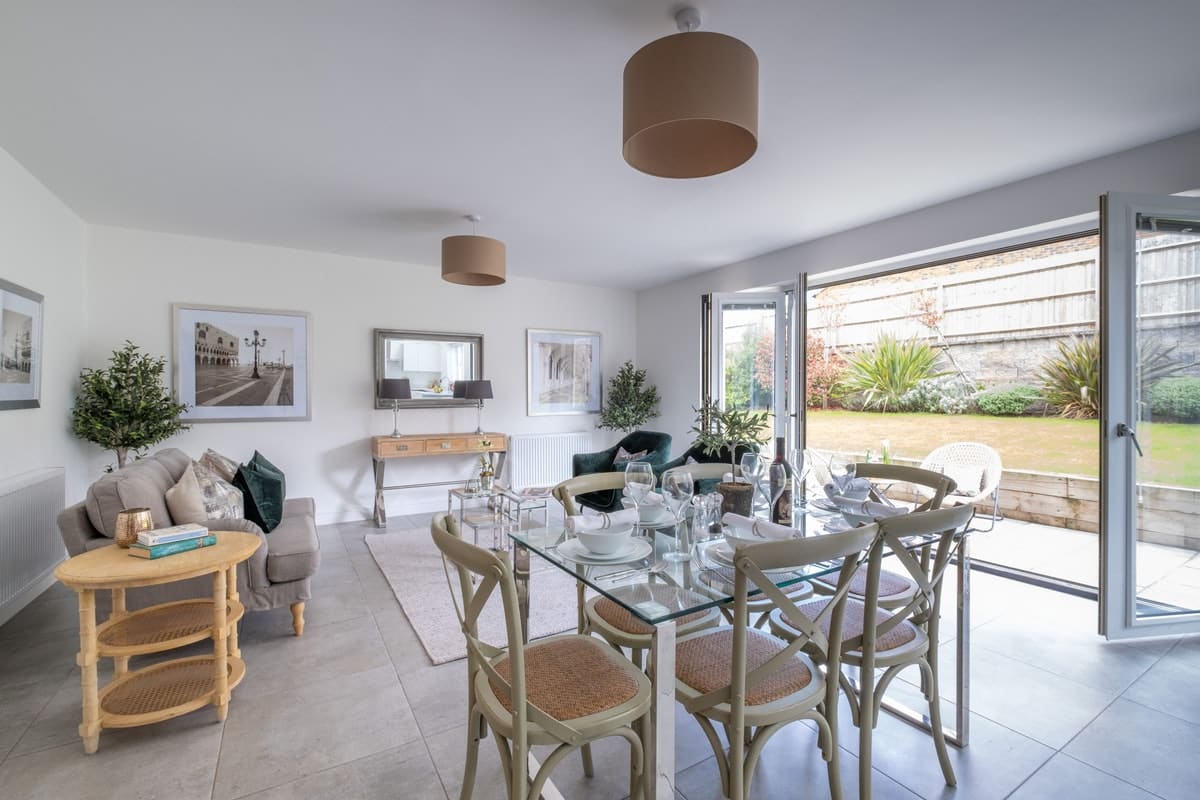
- Showcasing versatile layouts: Staging can demonstrate different ways to arrange furniture and use the available space effectively. Often, we will reposition a bed or a wardrobe to make the room work better, it’s amazing to see the difference it can make. By presenting versatile layouts, potential buyers can see how they can adapt the room to suit their specific needs and preferences. For example, staging a spare room as both a home office and a guest bedroom showcases its potential functionality.
- Emphasising storage solutions: Clutter can make a room feel smaller and less functional. When showcasing your home to potential buyers demonstrating storage solutions, such as built-in cabinets, shelving or organisational systems is an appealing aspect. When staging a room, utilising these features emphasises the room’s ability to accommodate belongings and maintain an organised space. This is great particularly in a children’s playroom where buyers will be looking for storage space for toys or perhaps in a home office where file space is essential.
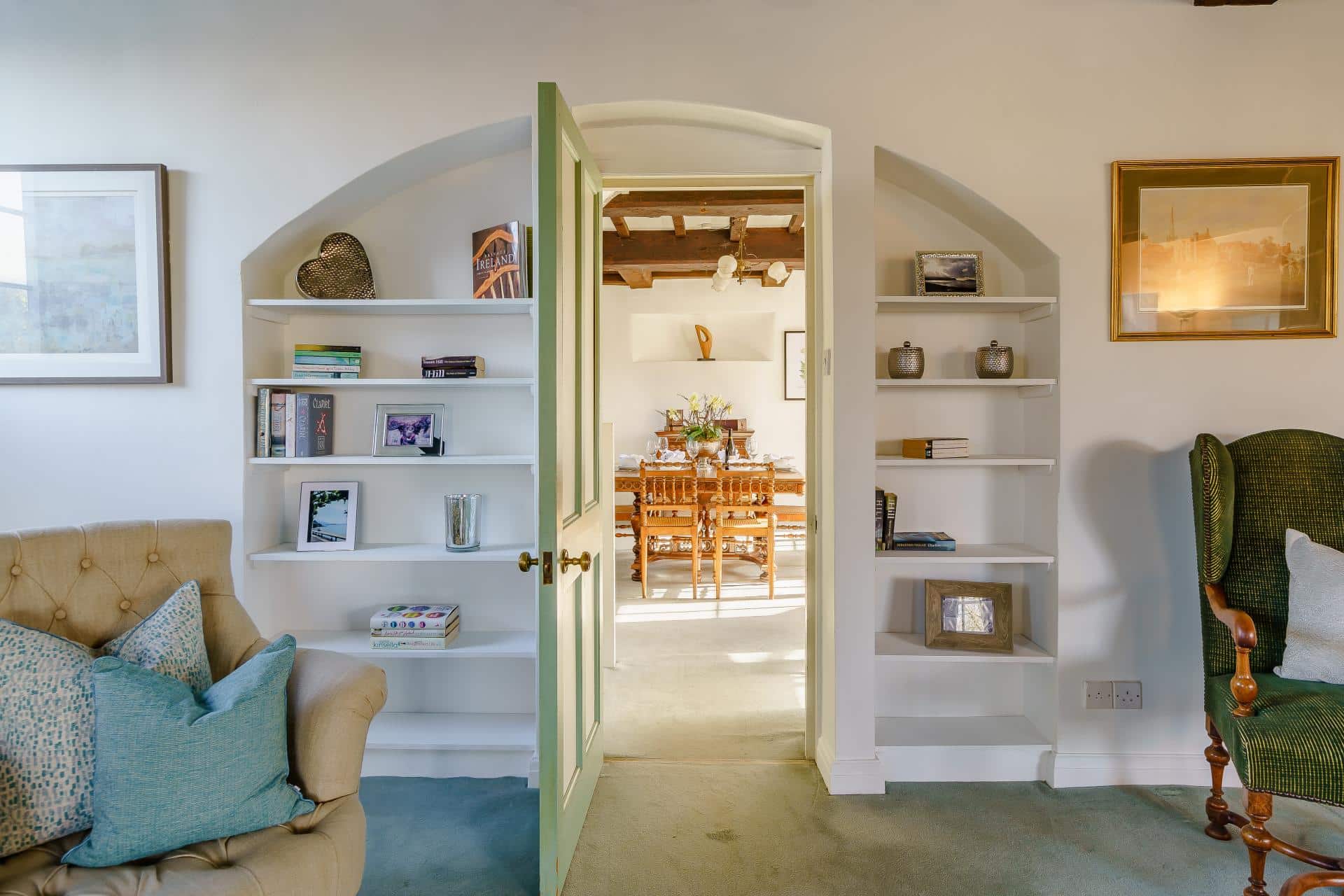
- Creating a sense of flow: Home staging ensures that the furniture placement and layout facilitate easy movement and flow within the room. This can be achieved by moving furniture and sometimes removing unnecessary furniture. For example, in a sitting room, buyers will be looking at where they can watch the TV, so the positioning of the sofas needs to makes sense. Creating clear pathways allows potential buyers to visualise how they can navigate and utilise the space seamlessly.
- Enhancing natural light and views: When possible, staging makes the most of natural light and outdoor views. By positioning furniture to allow for ample natural light and showcasing desirable views, staging demonstrates the lifestyle. Home owners who have lived in a home for a long period of time may cover windows with furniture or use heavy curtains to block the light. However, when selling these are appealing selling points which need to be showcased.


Overall, home staging helps buyers see the full potential and functionality of each room. By emphasising purpose, maximising space, showcasing versatility and enhancing key features, staging enhances the appeal and functionality of the home, making it more desirable to potential buyers. Please get in touch with our team to book your free staging consultation 01332 987740.