Moving from “busy” to scalable, sustainable growth
If you’re already running a home staging business, chances are you’re not questioning your ability.
You’ve proved there’s demand.
You’re booking work.
Estate agents trust you.
Your staging delivers results.
But as 2026 approaches, many experienced home stagers are asking a different question:
“How do I grow my home staging business without burning out — or doing everything myself forever?”
Because sustainable growth in home staging doesn’t come from being busier.
It comes from structure, leverage, and strategic scale.
This article breaks down what established home stagers need in place to grow in 2026, and what typically holds them back.
- Growth in 2026 Requires Infrastructure, Not More Hustle
One of the biggest misconceptions in service-based businesses is that growth comes from working harder.
In reality, many home stagers hit a ceiling because:
- Their business relies entirely on them
- Every new staging project increases pressure on time
- There’s no separation between doing the work and running the business
Without infrastructure, growth becomes fragile.
To scale a home staging business, you need:
- Repeatable processes
- Clear service structures
- Defined pricing models
- Systems that work even when you step back
Talent gets you started.
Infrastructure is what allows a staging business to grow.
- Predictable Demand Is the Foundation of a Scalable Staging Business
Many established stagers still operate with uncertainty:
- Busy months followed by quiet ones
- Heavy reliance on referrals
- Little visibility beyond the next few weeks
That unpredictability makes it difficult to:
- Plan cash flow
- Increase prices with confidence
- Invest in furniture and inventory
- Hire or outsource support
Sustainable growth requires predictable demand, not occasional spikes in staging work.
- Scaling Means Improving the Quality of Staging Projects — Not Just Quantity

Growing a home staging business isn’t about doing more projects at all costs.
It’s about doing better ones.
Stagers who scale successfully tend to:
- Work with more professional clients
- Handle larger or repeat projects
- Spend less time convincing and more time converting
- Operate with healthier margins
At this stage, perception matters.
Brand, consistency, and credibility play a major role in attracting higher-value staging work.
- Strategic Business Support Becomes More Important Than Creative Skill
Early growth in home staging is often intuitive.
Later growth is strategic.
As your business matures, questions naturally shift:
- How do I price for profitability, not just survival?
- How do I manage capacity as demand increases?
- When is the right time to hire?
- How do I stop being the bottleneck in my own business?
- How do I build a staging business that’s sustainable long term?
These are business questions — not creative ones.
Most independent home stagers are left to answer them alone.
- The Right Environment Makes Scaling Easier

Running a home staging business in isolation makes growth harder than it needs to be.
Without the right support:
- Decisions feel heavier
- Learning is slower
- Mistakes are more expensive
- Momentum is harder to maintain
Stagers who grow well tend to have:
- Access to shared insight
- A sounding board
- Accountability
- Perspective beyond their local market
Growth thrives in the right environment.
- Consistency Turns a Home Staging Business Into a Brand

As a staging business grows, consistency becomes critical:
- Consistent service delivery
- Consistent pricing
- Consistent client experience
- Consistent presentation and brand positioning
Without consistency, scaling creates stress rather than stability.
This is often the point where stagers realise they need structure, not more creativity.
Understanding the Risk of Scaling Alone
It’s also important to consider risk.
According to the British Franchise Association (BFA):
- Around 50% of independent start-ups fail within the first three years
- Only 0.5% of franchise businesses fail
These figures apply across industries — not just home staging — but they highlight an important truth:
Businesses that grow within structured frameworks are statistically more stable.
Scaling alone increases risk.
Scaling with structure reduces it.
Where the Lemon and Lime Franchise Fits Into Growth in 2026
For experienced home stagers reading this and recognising themselves, the next question is often:
“How do I put all of this in place without rebuilding everything from scratch?”
This is where growth paths diverge.
Some stagers choose to build systems independently.
Others choose to plug into an established framework.
The Lemon and Lime home staging franchise exists specifically for stagers who:
- Already know how to stage
- Want to grow without burnout
- Want systems instead of guesswork
- Want predictable demand
- Want to leverage a recognised brand
- Want strategic business support
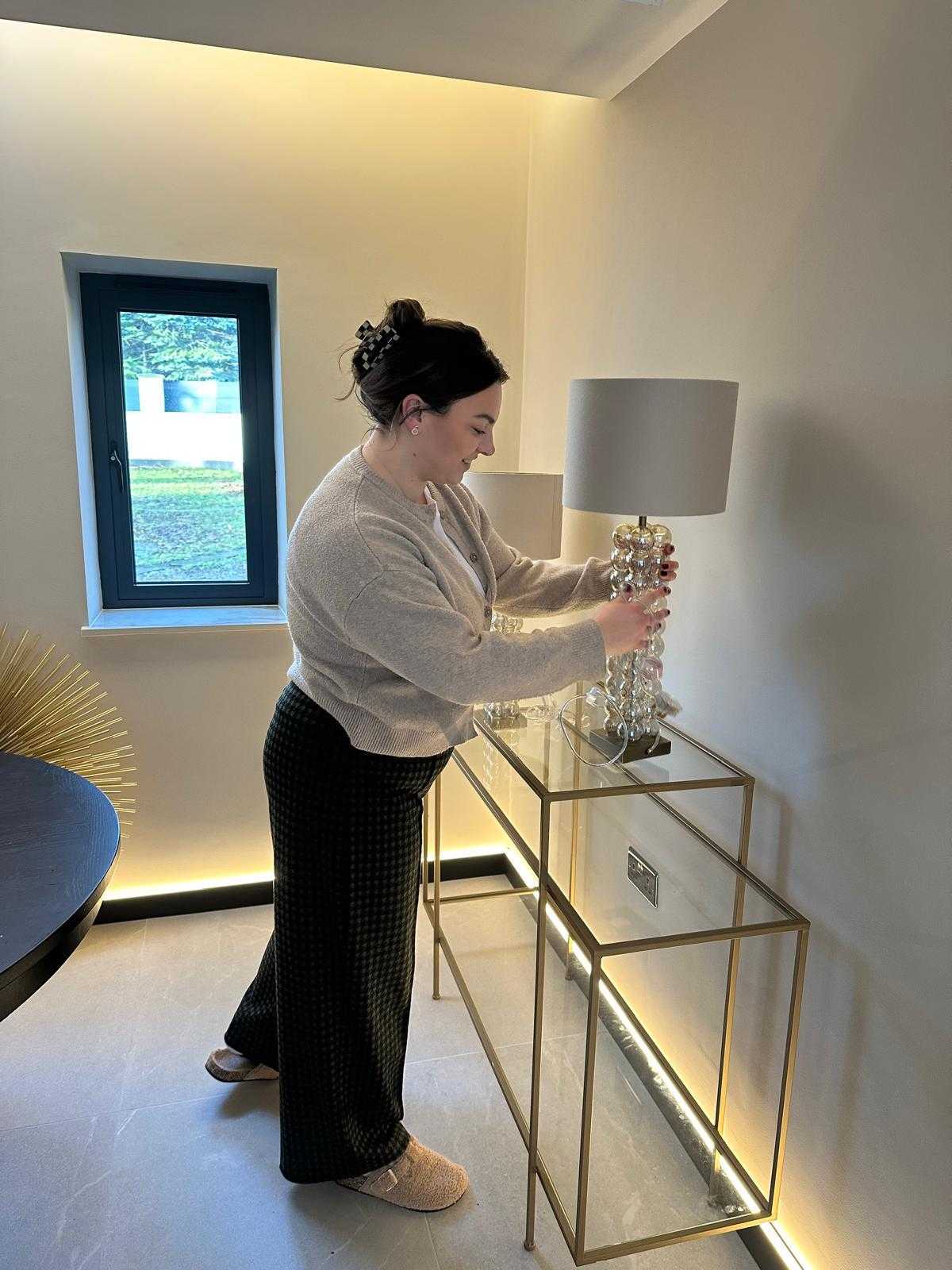
Rather than starting again, franchisees step into:
- Proven pricing and service structures
- Operational workflows
- Predictable lead generation
- A premium, established brand
- Ongoing business mentorship
- A network of experienced stagers
For many, it’s not about learning how to stage —
it’s about building a staging business that can grow beyond them.
Signs You May Be Ready to Scale Your Home Staging Business
You may be ready for your next growth phase if:
- You’re booked but stretched
- You want higher-value projects
- You’re considering hiring or expanding
- You want a clearer growth plan
- You want support — not more stress
If that sounds familiar, you’re not stuck.
You’re simply at a different stage of business growth.

Final Thoughts: Growth in 2026 Is About Leverage
You’ve already done the hardest part:
- Built demand
- Developed skill
- Earned trust
Growing your home staging business in 2026 isn’t about doing more.
It’s about:
- Leveraging systems
- Reducing risk
- Increasing consistency
- Creating space to grow
For some stagers, that means building everything independently.
For others, it means stepping into a framework that’s already been built.
If you’re exploring what your next phase of growth could look like, the Lemon and Lime home staging franchise is one option worth understanding.
Learn more about becoming a Lemon and Lime franchisee
Not because you need to start again —
but because you might be ready to scale properly.
Email: [email protected]