When selling a luxury home, presentation isn’t just important, it’s everything. Today’s buyers move fast, scrolling through listings in seconds and forming instant impressions. In such a competitive space, how your property looks and feels online can determine whether it earns a second glance or gets lost among the rest.
There has been a lot of debate recently about the validity of using AI generated images to enhance the interiors of a property listing from articles in the property press to it being a subject of discussion on R2s Jeremy Vine Show (8th June 26). With AI-powered photo editing tools and virtual staging on the rise, many sellers are asking:
Should I use these technologies to market my home?
And if so, how do I use them without compromising authenticity or trust?
Let’s explore how virtual staging is being used across different property markets and why traditional home staging still sets the gold standard for selling luxury property.

The New Trend: AI-Enhanced and Virtually Staged Spaces
AI tools like Nano Banana and even ChatGPT can transform ordinary property photos in seconds. In the last 12 months we have moved away from AI staged rooms featuring chairs with 3 legs and sofas floating above the floor. It can often be hard to distinguish them from reality. They remove clutter, brighten lighting, and even redesign entire rooms replacing furniture and finishes to create a “perfect” version of your home.
Virtual staging is slightly different to AI-staging. It is usually done via a designer, we work with several high-end interior specialists, to produce interior-designed spaces virtually for photos and even walk-through tours in certain circumstances. The quality and feel of the photos and tours is usually of a higher quality than the AI generated images.
While this might make a listing stand out online, there’s a catch: what buyers see on screen isn’t always what they experience in person. And for high-end buyers, expectation vs. reality matters more than ever.
Luxury buyers don’t just purchase square footage, they invest in a feeling. When AI edits distort reality, it can create disappointment during viewings, undermine trust, and ultimately slow down a sale.
Virtual/AI Staging: Where It Works Best
When used strategically and transparently, virtual staging can be an effective marketing tool in certain scenarios:
- Off plan new-build properties: It helps buyers visualise how a home could look before the builders have even put a spade in the ground. This can be really useful to achieve off-plan reservations for developers. Full tours can be produced both a the home and the surrounding countryside. If the developer and the virtual staging team work closely with a full service staging business then the images can be replicated in real life once the show home is ready.
- Alternative room uses: many of the homes we advise on have multiple reception rooms or more than 5 bedrooms. The third or fourth reception room and sixth bedroom (or more) are superfluous to requirements for day-to-day living but could be used as a cinema room, a gym, a second office or studio. AI images are a great supplementary tool to showcase alterntive uses.
- Renovation or “project” homes: It can showcase potential transformations, helping buyers imagine updates or redesigns without extensive on-site work. This may attract a slightly wider pool of buyers prepared to take on significant work.
- Investment properties and lower end rentals: For faster-moving or budget-conscious properties, for example landlords exiting the private rental sector, virtual staging offers a cost-effective way to present a lifestyle without hiring physical furniture or stylists. It is useful for a landlord to avoid the dreaded void months by being able to ‘clear out’ one tenant whilst advertising for the next.
The key, however, is transparency. Virtual images should always be clearly labelled so that buyers know which photos are digitally enhanced. When used honestly, virtual staging can inspire imagination without eroding credibility.
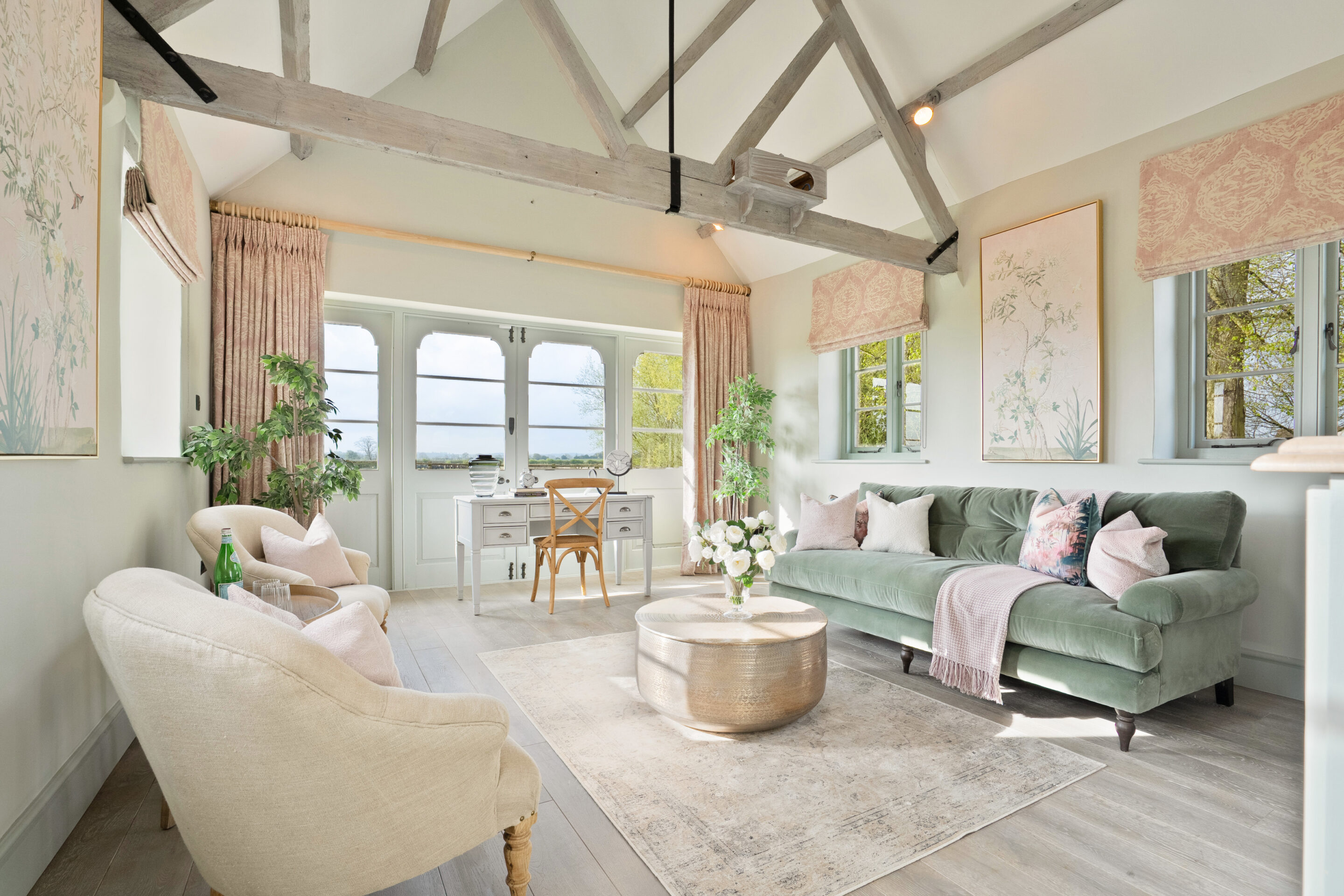
Why does physical staging still win in the luxury market?
In the high-value property sector, where emotional connection drives decisions, real-life staging continues to outperform every digital substitute. Here’s why:
- It creates an immediate emotional response.
Luxury buyers fall in love with atmosphere, not algorithms. The tactile presence of fine furniture, curated lighting, and subtle scent builds a sensory experience no screen can replicate.
- It inspires confidence and trust.
What buyers see online matches what they experience in person. That consistency builds credibility, trust and encourages stronger offers.
- It elevates perceived value.
Professionally staged homes photograph beautifully and present impeccably, highlighting craftsmanship, proportion, and flow the details that command premium pricing. The furniture is curated to elevate the space matching in both style and size.
- It aligns with real buyer expectations.
High-net-worth individuals expect authenticity. Overly edited or obviously virtual images can signal inexperience or worse, misrepresentation.
- It tells the story of your home.
Great staging isn’t about disguising flaws it’s about revealing potential and lifestyle. The human touch can’t be automated.
The Winning Strategy: Blending Innovation with Authenticity
For luxury sellers, the best results often come from a hybrid approach:
- Use virtual staging thoughtfully in early marketing to show possibilities, especially for pre-renovation homes or those yet to be built.
- Use physical staging aligned to the property and the target buyer for real-world viewings, ensuring the creation of an emotional impact that converts interest into offers.
Ultimately, technology can enhance your marketing but it’s the authentic experience of stepping into a beautifully staged home that closes the deal.
In luxury real estate offers will come from connection. Curated staging creates emotional connection and financial return on investment.
Get in touch with Lemon and Lime to find out more about our staging services 01332 987740 / [email protected]