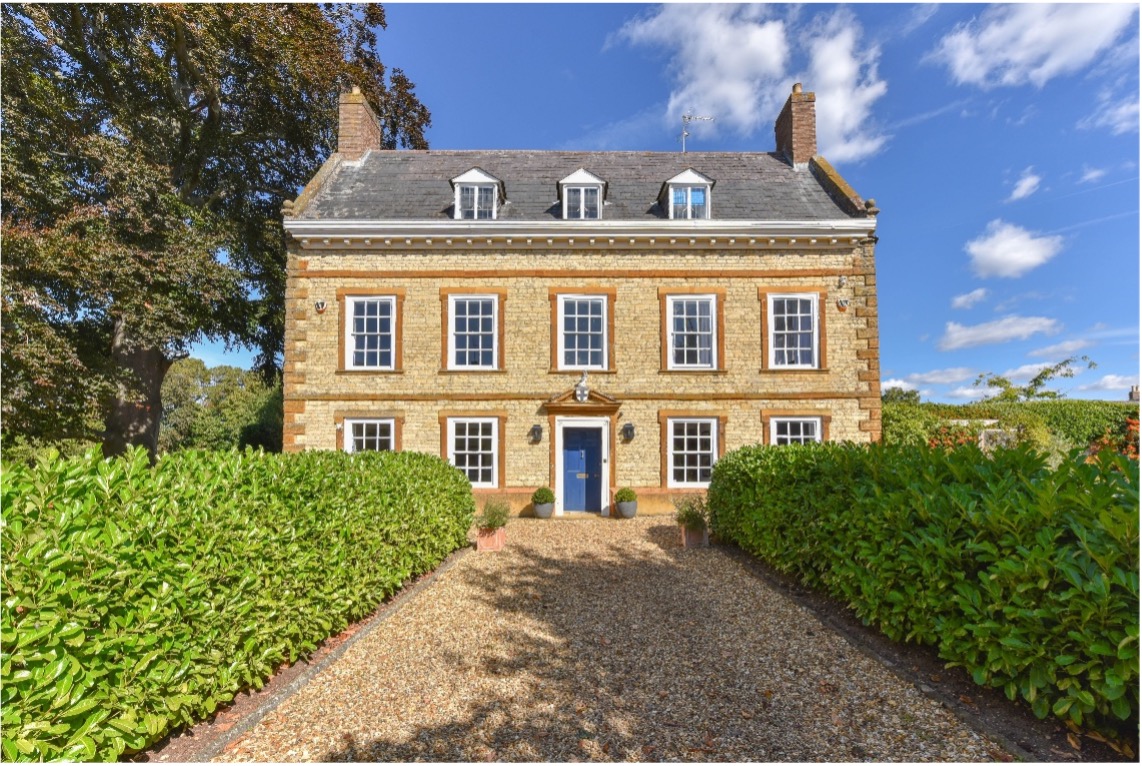
Colour is a powerful tool in interior design, capable of transforming a space and evoking different emotions. Whether you’re redecorating a room or starting from scratch, choosing the right colour scheme can make all the difference in creating a stunning and cohesive look. Here’s your ultimate guide to crafting a colour scheme that will elevate your home’s aesthetic and reflect your personal style.
Understand Colour Psychology:
Before diving into colour selection, it’s essential to understand the psychological effects of different hues. Warm colours like red, orange, and yellow can evoke feelings of energy, warmth, and comfort, making them ideal for social spaces like living rooms and dining areas. Cool colours like blue, green, and purple have a calming effect and work well in bedrooms and bathrooms. Neutral colours such as white, beige, and grey provide a versatile backdrop and can be paired with almost any other hue.
Start with Inspiration:
Find inspiration for your colour scheme from various sources, such as nature, artwork, fashion, or interior design magazines. Look for colours that resonate with you and evoke the mood you want to create in your home. Consider the existing elements in the room, such as flooring, furniture, and architectural features, and choose colours that complement or enhance them.

Photo by Alessio Furlan on Unsplash
Choose a Dominant Colour:
Select a dominant colour that will set the tone for the room and serve as the primary hue in your colour scheme. This could be a bold accent colour that adds drama and visual interest or a calming neutral that provides a backdrop for other colours to shine. Consider the size and function of the room when choosing a dominant colour, opting for lighter shades in small spaces to create a sense of openness and darker shades in larger rooms to add depth and cosiness.

Photo by Brice Cooper on Unsplash
Layer with Accent Colours:
Once you’ve chosen a dominant colour, layer in accent colours to add depth and dimension to your colour scheme. Accent colours can be used sparingly to highlight architectural details, furniture pieces, or accessories. Consider using a complementary colour wheel to find colours that contrast with your dominant hue, creating a dynamic and visually appealing scheme. Alternatively, choose colours that are adjacent to each other on the colour wheel for a harmonious and cohesive look.


Consider the 60-30-10 Rule:
A popular rule of thumb in interior design is the 60-30-10 rule, which dictates the proportion of colours to use in a room. The dominant colour should make up about 60% of the room’s colour palette, while the secondary colour accounts for 30% and the accent colour for 10%. This balanced approach ensures that one colour doesn’t overwhelm the space while still allowing for visual interest and contrast.

Photo by Annie Spratt on Unsplash
Test Paint Samples:
Before committing to a colour scheme, test paint samples on the walls to see how they look in different lighting conditions throughout the day. Colours can appear differently depending on the amount of natural light in the room and the orientation of the space. Consider painting large swatches or using peel-and-stick samples to get a better sense of how the colours will look in your home before making a final decision.

Photo by Clay Banks on Unsplash
Create Visual Flow:
Ensure a seamless transition between rooms by creating visual flow with your colour scheme. Choose colours that complement each other and carry a common thread throughout the home, whether it’s through repeated accent colours, similar undertones, or coordinating hues. This cohesiveness will create a sense of harmony and unity, making the home feel more connected and well-designed.

Balance Warm and Cool Tones:
Strike a balance between warm and cool tones to create a harmonious and inviting atmosphere. Incorporate both warm and cool colours into your scheme to add contrast and depth, preventing the space from feeling too one-dimensional. For example, pair warm earthy tones like terracotta or mustard with cool blues or greens for a balanced and sophisticated look.
Accessorise with Texture and Pattern:
Enhance your colour scheme with texture and pattern to add visual interest and tactile appeal. Mix and match different textures such as velvet, linen, and wood to create depth and dimension in the space. Introduce pattern through textiles like rugs, curtains, and throw pillows to break up solid colours and add personality to the room.


Trust Your Instincts:
Ultimately, creating a stunning colour scheme is about trusting your instincts and choosing colours that resonate with you. Don’t be afraid to take risks and experiment with different combinations until you find the perfect palette for your home. Remember that colour is a powerful tool for self-expression and mood enhancement, so have fun with it and let your creativity shine!
By following these expert tips, you can create a stunning colour scheme that transforms your home into a beautiful and cohesive space. Whether you prefer bold and vibrant hues or soft and serene tones, crafting the perfect colour palette is the first step towards achieving your dream interior design. So, roll up your sleeves, grab a paintbrush, and get ready to bring your vision to life!
If you need help with the interiors of your home, contact our team on 01332 987740.