Why Getting It Right First Time Matters
Selling a home is often seen as a straightforward equation: list, view, sell, move on. But when a property lingers on the market, especially one that has already undergone a price reduction, the financial reality can become far more complex.
At Lemon and Lime, we regularly work with homeowners who are surprised by just how quickly the hidden costs of a slow sale can add up. And in today’s challenging market, pricing and presentation strategy are more critical than ever.
The Real Cost of “Waiting for the Right Buyer”
It’s easy to assume that holding out for a higher offer is the safest financial move. But every additional month on the market comes with ongoing costs, many of which quietly erode your eventual return.
Ongoing Monthly Costs Add Up Fast
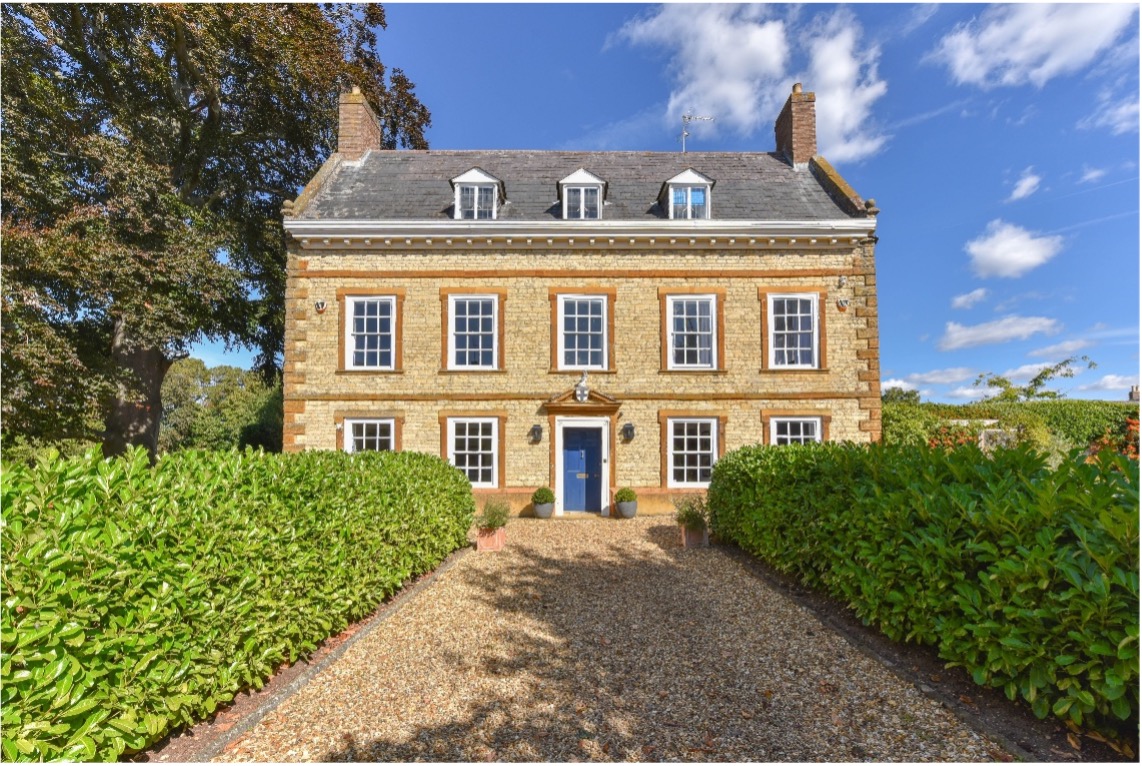
We recently ran some numbers on an existing local listing of a large, detached home. The property list price is £825K, council tax band E, oil fired central heating (common for country homes). We assume a 50% mortgage last reviewed in 2024. The property had already had one £25K price reduction and was listed 4 months previously. The typical running costs, based on these assumptions, include:
- Mortgage payments: ~£2,000–£2,200/month
- Council tax: ~£200–£225/month
- Energy (especially oil heating): ~£380–£420/month
- Utilities, insurance, broadband: ~£110–£180/month
Total monthly outgoings: ~£2,700 – £3,000
That means:
- 3 extra months on the market = ~£8,000–£9,000
- 6 extra months = ~£16,000–£18,000
And that’s before factoring in maintenance, repairs, or unexpected costs.
The Price Reduction Trap
Many sellers start high, assuming they can reduce later if needed. But insights from Rightmove suggest this strategy will backfire.
According to their internal data:
- Properties without a price reduction are 1.3x more likely to be marked Sold Subject to Contract (SSTC)
- They sell in one-third of the time
- They are half as likely to fall through
In contrast, homes that require a price reduction, can face a different perception in the market.


What Buyers Really Think
Once a property has been reduced:
- Buyers often assume there’s something wrong
- It may appear overpriced from the outset
- It can signal seller urgency, encouraging lower offers
- It risks becoming “stale” on property portals
In short, instead of increasing interest, a reduction can sometimes reduce confidence.
The Compounding Effect
Here’s where it becomes critical:
A property that starts too high and reduces later may:
- Spend longer on the market
- Accumulate higher running costs
- Ultimately sell for less than if it had been priced correctly from day one
This creates a double financial hit:
- Lost time = higher costs
- Reduced price = lower return
The Evidence: Why Presentation Changes Outcomes
This is where the data becomes even more compelling.
According to long-term UK market data from TwentyEA and Zoopla, the average property typically achieves around 95%–96.8% of its asking price.
However, Lemon and Lime Interiors’ own client database (spanning 2016–2024) shows that professionally staged homes consistently outperform this benchmark, achieving stronger results against asking price.


What This Means in Practice
- The national average suggests most sellers accept a discount
- Staged properties are far more likely to:
- Achieve closer to (or above) asking price
- Sell faster
- Avoid the need for reductions
In the context of a property already reduced, this difference becomes critical.
Because:
- A 3–5% drop on an £800,000 home = £24,000–£40,000 lost
- Combined with costs of getting stuck on the market, the total impact can exceed £50,000+


The True Cost of “Doing Nothing”
When a property is left unstaged and overpriced:
- It risks missing the peak interest window (first 2–4 weeks)
- It becomes reactive instead of strategic
- It often ends in price reductions and negotiation pressure
Meanwhile, the seller continues to absorb:
- Monthly running costs
- Market uncertainty
- Emotional stress
The Smarter Strategy
To avoid the hidden costs of a slow sale:
Price realistically from the start
Not optimistically—strategically.
Invest in presentation early
Staging isn’t aesthetic, it’s financial.
Capture attention immediately
The goal is momentum, not stagnation.
Final Thought
A delayed sale doesn’t just cost time, it costs money, opportunity, and negotiating power.
The data is clear:
- Homes that avoid reductions sell faster and more securely
- Homes that are well-presented achieve stronger prices
- And the cost of getting it wrong can be substantial
In almost every case, achieving the right price quickly is far more profitable than chasing a higher price slowly.
If you’re preparing to sell and want to avoid the common pitfalls, Lemon and Lime Interiors can help you position your property to stand out, and sell with confidence, not compromise.
Thinking of selling? Get in touch to discuss how we can help you maximise your home’s potential from day one. www.lemonandlimeinteriors.co.uk or call 01332 987740